
You have the ability to control your blood sugar levels!
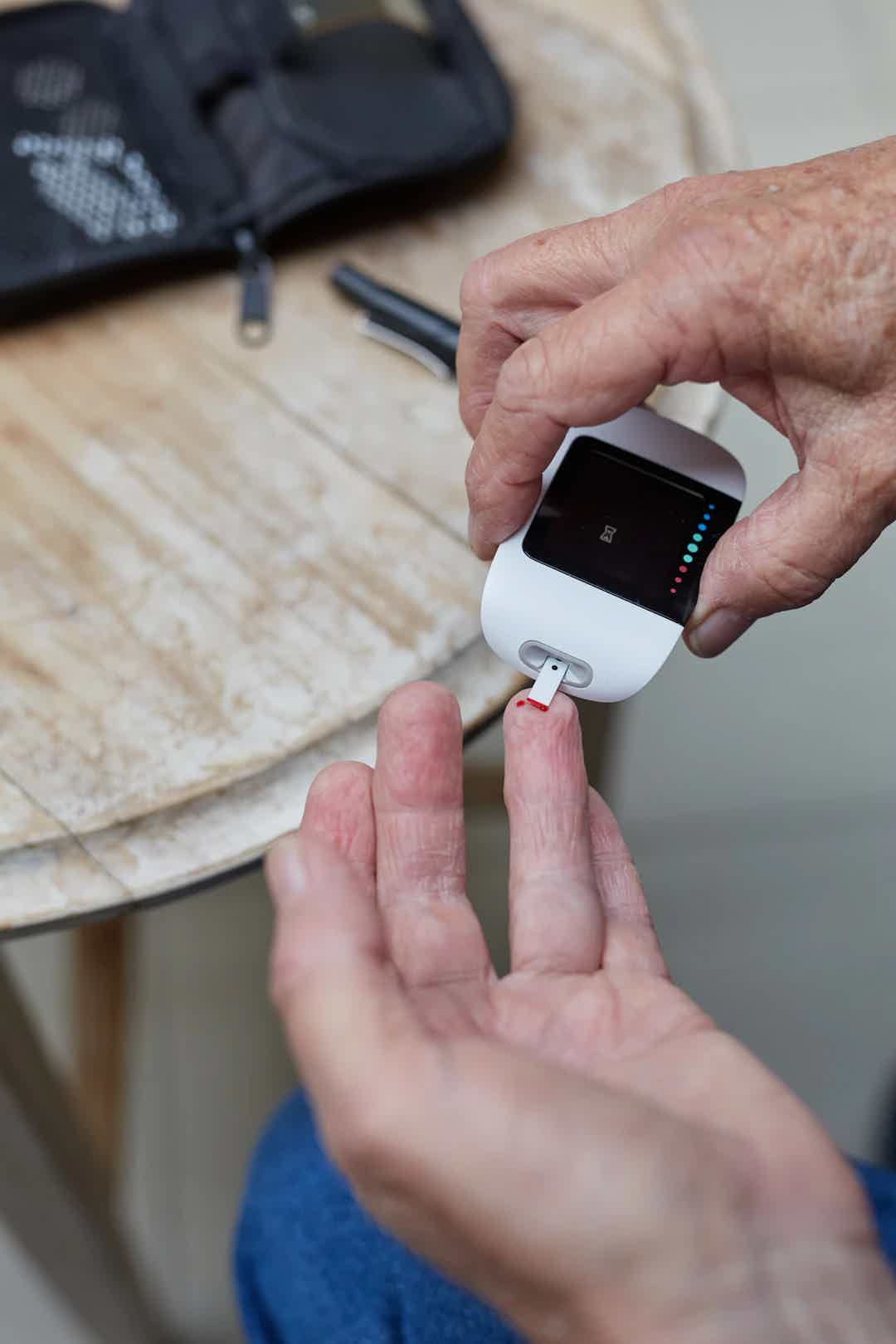
Blood Sugar Balance: Your Body's Quiet Balancing Act
Did you know your body is working behind the scenes right now to keep your blood sugar just right — even while you read this?
Our bodies are wired for balance — blood pressure, blood volume, blood sugar, and more. There's a healthy range for blood sugar, and most of the time, your body manages it beautifully on its own. Trouble only starts when levels drift outside that range and stay there too long.
Here's how your body keeps blood sugar balanced:
You eat carbohydrates (sugar and/or starch).
Your digestive system breaks these down into smaller sugars, like glucose, which enter your bloodstream — naturally raising your blood sugar.
When blood sugar rises, your pancreas releases insulin. Think of insulin as a key: it unlocks your muscle, liver, and fat cells so they can pull sugar out of the blood — using some for energy and storing the rest for later.
Your muscles and liver keep some sugar in reserve, releasing it back into your blood when you need it — between meals, during exercise, or under stress.
It's an elegant system, designed to keep you fuelled and steady.
When the Balance Tips: Insulin Resistance & Type 2 Diabetes
Problems arise when blood sugar climbs too high and stays there too long. Over time, this can affect heart rhythm and, in extreme cases, even trigger seizures.
This often starts with eating a lot of sugar quickly — especially processed sugars like soda and sweets. Interestingly, your body is designed to do this: thousands of years ago, food was scarce, so we evolved to crave, absorb, and store sugar whenever it was available.
Here's the tricky part: even when cells stop listening, the pancreas doesn't give up — it just makes more insulin. The result is a paradox: high blood sugar and high insulin, circulating together.
Some symptoms of insulin resistance are:
• Fatigue after meals;
• Sugar cravings that don’t go away, even if sweets are eaten;
• Increased thirst;
• Frequent urination.
High blood sugar and insulin levels can be dangerous, leading to pre-diabetes and type 2 diabetes.
Type 2 diabetes is a chronic condition characterized by high blood sugar, insulin resistance, and inflammation. It can lead to serious health complications such as heart disease, kidney disease, blindness, and amputation. Multiple medications are often necessary to manage blood sugar levels.
DIABETES TYPE 1 vs. TYPE 2:
Type 1 diabetes is when your immune system actually destroys the insulin-producing cells in your pancreas. It’s an “autoimmune” condition where your pancreas literally cannot make insulin. This is often diagnosed early in life (childhood/adolescence) and requires lifelong insulin injections. Less than 10% of people with diabetes have type 1 diabetes; everyone else has type 2.
These are the connections between blood sugar balance, insulin resistance, diabetes, and their symptoms and risks.
The good news about blood sugar imbalance
The good news is that improved blood sugar balance can be achieved with proper nutrition and lifestyle! What you eat, how you eat it, how much exercise and sleep you get, and how you handle stress are all factors that you can improve.
CAUTION: If you’re already diagnosed, and/or taking medications or insulin injections, make sure you speak with your doctor and/or pharmacist before making any changes. They may also want to monitor your blood sugar levels a bit closer when you start making diet and lifestyle upgrades.
11 tips for keeping blood sugar balanced
1 - Stop eating and drinking things that are mostly sugar
First things first. If a food or drink is mostly sugar, please try to reduce, or even cut it out of your diet. I’m talking sweetened beverages (e.g. soda pop, juice, energy drinks, candy, etc.). Many desserts, breakfasts, and even seemingly-healthy choices like some granola bars often have a lot of sugar.
Significantly reducing these will give you the most bang for your buck when it comes to better blood sugar levels. That’s why it’s my number one recommendation.
2 - Don’t eat too many carbohydrates
Your body digests starches by breaking them down into sugar. By reducing the amount of sugars and starches (carbohydrates) you eat, you can reduce that blood sugar spike that happens right after you eat. This has been shown in many studies.
It’s been said that one of the strongest predictors of blood sugar response is the total amount of carbohydrates in a meal.
Reducing your overall carbohydrate intake can help to reduce your blood sugar levels.
3 - Choose “low glycemic” starches
If you’ve already cut out a lot of sugary foods and want to reduce your starch intake, then start by ditching the “high glycemic” (i.e. ones that raise your blood sugar too high) starches.
As you can imagine, researchers have measured how fast and how high blood sugar increases with different foods. Foods that are “high glycemic” quickly raise blood sugar quite high. “Low glycemic” foods raise blood slower and to a smaller extent.
High glycemic foods (i.e. ones to avoid) include sugary foods, as well as starchy foods like white bread, many pastas, and rice. Low glycemic foods include ones that are higher in fibre, fat and protein. Examples are meat, seafood, eggs, legumes, sweet potatoes, and most fruit and non-starchy vegetables.
4 - Eat more fibre
You’ve heard that “fibre makes you regular,” right? It’s so healthy. Most people don’t eat nearly enough. The recommended daily intake of fibre for adults is 21 g - 38 g per day.
This nutrient is not just for “regularity” and gut health, but also for blood sugar balance too.
It works by mixing with the carbohydrates in your meal, and slowing down the absorption of the sugars from those carbohydrates.
Some of the highest fibre foods include cocoa powder, flaxseeds, & legumes.
Feel free to add a spoon of cocoa powder to your smoothie, sprinkle flaxseeds on your cereal, and/or add some legumes to your soup or salad.
5 - Eat your protein and fibrous vegetables first
Since blood sugar is affected by the amount of carbohydrates you eat, studies have also looked at the order in which you eat different foods.
A few small studies looked at adults with type 2 diabetes. They all had the same meal, but some were asked to eat their protein and fibrous (i.e. non-starchy) vegetables first; while others ate their carbohydrates first. They found that people who ate the protein and vegetables first had better blood sugar control. One of the studies also showed lower levels of post-meal insulin when the carbohydrates were eaten last.
Try to eat your protein and fibrous vegetables first, and starches last.
6 - Fruit is ok, especially dark berries
Unless your doctor or health practitioner has said otherwise, or you have an intolerance to them, fruit and the fruit sugar “fructose” are generally ok. Fructose has a low glycemic index. Having fructose instead of glucose (regular sugar) can reduce a measure of the average levels of blood sugar over the past two to three months (e.g. HbA1c - a blood test for blood sugar control).
A diet high in fruits and vegetables is great for your health. They contain phytochemicals (phyto=plant), vitamins, minerals, and fibre. Eating whole (not processed or juiced) fruits can help with blood sugar balance. Berries are particularly good, as they contain a lot of fibre and not a lot of sugar. Not to mention that they’re delicious!
7 - Try these blood-sugar balancing flavourings (vinegar & cinnamon)
Try having two tablespoons of vinegar shortly before or with a meal that contains sugars or starches.
A recent analysis of several studies (a meta-analysis) showed that the vinegar can lower the blood sugar by up to 60% and the insulin by up to 130% compared to the same meal without vinegar. This worked for insulin-resistant people. Even healthy people had a significant benefit.
Cinnamon can help to lower blood sugar levels and improve insulin sensitivity. This effect can happen with even less than one teaspoon per day.
It’s thought that cinnamon works by slowing the emptying of the stomach. Slower emptying means slower absorption and slower blood sugar rise after a meal. Cinnamon also contains antioxidant polyphenols (plant chemicals) that may improve insulin sensitivity.
8 - Get enough good quality sleep
Our bodies are wired to work along the sun’s schedule. The objective is to wake up when the sun comes up, and get tired when it goes down. Not enough sleep can affect many of our body’s systems, including negatively affecting our blood sugar levels and insulin sensitivity. It can also increase appetite and promote weight gain.
Even one or two nights of poor sleep can affect our blood sugar levels.
9 - Exercise
Remember how insulin tells your muscle cells to pull some sugar out of your blood to store for later? Guess what it’s storing it for?
Exercise!
By exercising and burning that stored sugar, you not only improve your blood sugar levels, and your physical and mental health in many ways, but also can reduce insulin resistance. Win-win-win.
This means your muscle cells, especially when they’re moving, absorb and burn more sugar from the blood. This goes for both medium- and high-intensity exercise.
10 - Reduce your stress
Remember we talked about a couple of those things that releases sugar stored in the liver and muscles, and delivers them back to the blood? Things like not eating for a few hours, and when we’re under stress. Let’s talk about the blood sugar effect of stress hormones like cortisol.
The reason stress hormones release stored sugar is to prepare for the “fight or flight” reaction. Your body becomes physically ready to fight or run. And to do this, you need fuel in your blood, i.e. sugar.
How can you reduce stress? Relaxation techniques like deep breathing, meditation, and yoga can help to reduce stress and lower blood sugar levels.
11 - Lose excess weight
This is kind of a big and super-complex one, so I left it until the end.
There is a ton of evidence that belly fat, overweight, and obesity are linked with blood sugar balance issues and type 2 diabetes.
Weight loss and reduced waist circumference can work as well as, if not better, than medications.
Are you ready to make the necessary changes to take control of your blood sugar? Book your complimentary alignment call to see how I can help you!
NOTE: There are several medical, diet, and lifestyle approaches to managing medical conditions. None of these are a substitute for professional medical advice. If you have any of these conditions, or are taking medications for it, please make sure you’re being monitored regularly.