
Dental Health and Your Body: The Critical Connection
The oral microbiome, which is the community of bacteria in your mouth, can influence the gut microbiome and, through the gut-brain axis, even affect brain function. When oral hygiene is inconsistent or bacteria become imbalanced, it may contribute to concerns that reach beyond the mouth, including issues that can affect the lungs, heart, and overall metabolic health.
In 1917, Dr. Weston Price, a pioneering dentist, explored the connection between diet, dental health, and disease. His research suggested that indigenous communities eating mineral-rich, unprocessed foods had far fewer dental concerns, along with well-aligned teeth and a lower prevalence of chronic illness. By contrast, modern diets high in processed foods and refined sugar have been linked with more widespread tooth decay and broader health challenges.
Standard dental care often focuses on brushing, flossing, cleanings, and then restorative work such as fillings, root canals, and implants when problems arise. While these approaches can be necessary, many people also find that they do not fully address the root cause of recurring concerns, which is why symptoms may keep coming back.
Over time, plaque, also called biofilm, can build up and support bacterial overgrowth that may affect more than just the mouth.
For decades, mercury fillings were commonly used to treat cavities, even though they contain 25 to 50 percent mercury, a substance known to be neurotoxic. Mercury exposure has been associated with fatigue, cognitive changes, nerve damage, and symptoms that can resemble Alzheimer’s. While many countries have banned mercury fillings, they are still permitted in North America, although they are discouraged for children and pregnant women. If mercury amalgams are removed improperly, exposure can become a concern for both clients and dental professionals.
Root canals involve removing the nerve of a damaged tooth and sealing the remaining structure. However, when dead tissue remains in the body, it can sometimes create an environment where hidden infection develops and spreads more easily. Some research has also looked at possible connections between failed root canals and chronic conditions such as breast cancer and heart disease.
Dental implants can restore function and appearance after tooth loss, but material choice matters. Some people experience complications such as infection, nerve irritation, or changes in the jawbone. Titanium implants, once considered the standard, may not be well tolerated by everyone, especially for those who feel sensitive to electromagnetic stressors.
Every tooth is connected to an acupuncture meridian, which means oral health may also influence energy flow throughout the body. If an extraction is not handled carefully, cavitations, or hidden areas of infection in the bone, can sometimes remain and contribute to ongoing inflammation. In biological dentistry, these are often evaluated with 3D cone-beam imaging.
To support both your dental and overall well-being, consider these holistic practices:
Choose a biological dentist: These practitioners often focus on mercury-free, lower-toxicity approaches to dental care.
Support your immune system: Some biological dentists use ozone water and SMART techniques to help reduce exposure during procedures.
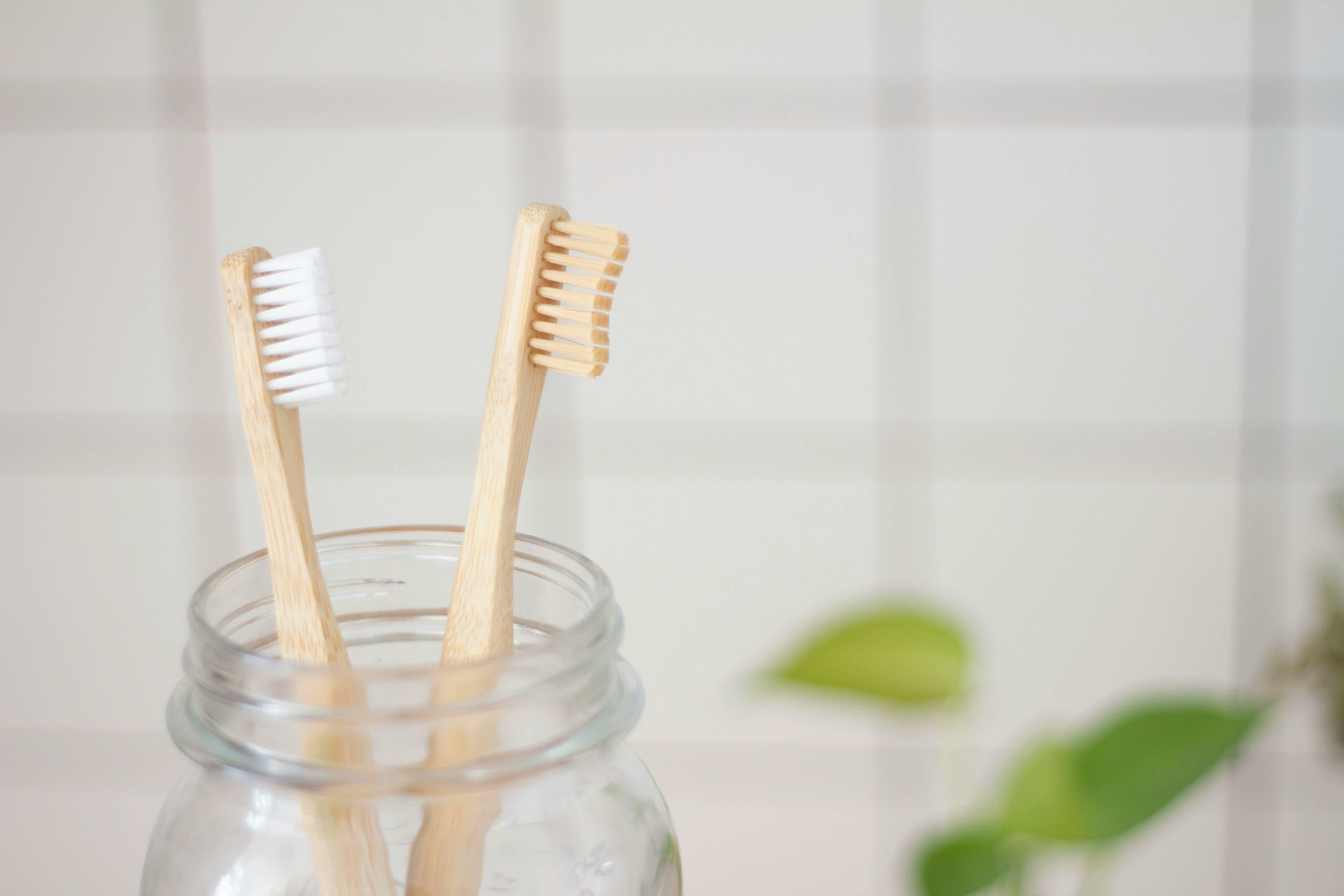
Brush gently and consistently: Use a soft-bristle toothbrush with gentle downward strokes and brush for at least five minutes.
Use non-toxic toothpaste: Consider fluoride-free, chemical-free options, or make your own if that feels aligned for you.
Clean your tongue: A tongue scraper can help remove buildup and support a healthier oral environment.
Avoid alcohol-based mouthwashes: These can dry out the mouth and disrupt microbial balance.
Use antimicrobial products with care: These can affect both beneficial and harmful bacteria.
Be mindful with fluoride: Some people choose to avoid it due to concerns about bone health and thyroid function.
Watch xylitol in oral care products: Even when marketed as natural, it may not feel supportive for everyone’s microbiome.
Increase mineral intake: Calcium, magnesium, and fat-soluble vitamins like D3, K1, and K2 can support strong teeth.
Consider homeopathic drainage remedies: Some people use options such as UNDA numbers to support detoxification support.
Limit sugar and processed foods: These can contribute to inflammation and strain gut health.
Include fermented foods: Foods like kimchi and sauerkraut may support microbiome diversity and immune function.
Follow a Mediterranean-style diet: Prioritizing whole foods can be a nourishing alternative to the standard American diet.
Move regularly: Gentle exercise supports circulation and detoxification support.
Prioritize quality sleep: Restorative sleep is an important part of overall health.
Spend time in nature: Fresh air and sunshine can be deeply supportive for well-being.
The bottom line: a healthy mouth supports a healthy body.